
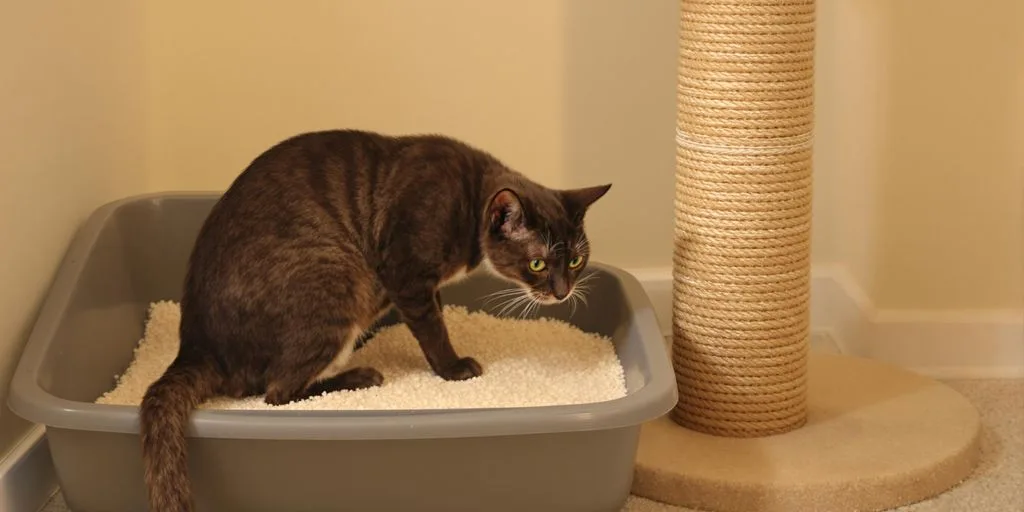
Optimizing Litter Box Placement: Pet Care Tips
Where you put the litter box is almost as important as the box itself! Cats are picky creatures, and a poorly placed box can lead to accidents outside the box. It's not just about convenience for you; it's about making your cat feel safe and comfortable enough to do their business. Think of it as real estate – location, location, location!
Assessing Quiet Accessible Spots
Cats prefer privacy when they're using the litter box. Imagine having to go to the bathroom in the middle of a crowded room – not ideal, right? Look for spots that are away from the hustle and bustle of daily life. A quiet corner in a spare room, a secluded area in the basement, or even a less-used bathroom can work wonders. The key is to minimize distractions and potential interruptions. Make sure the cat can easily get to the box; no jumping over obstacles or navigating tight spaces. If your cat has mobility issues, a low-entry box is a must.
Balancing Accessibility and Privacy
Finding the sweet spot between privacy and accessibility can be tricky. You want a location that's not in the middle of everything, but also not so remote that your cat feels like they're being banished to the wilderness. Consider your cat's personality. A shy cat might need a more secluded spot, while a bolder cat might be fine with a little less privacy. The goal is to make the litter box a safe and inviting space. It's also important to have enough light. Cats don't like using the bathroom in the dark any more than we do. A nightlight can help if the area is naturally dim. Remember to keep the area around the box clean and free of clutter. A clear path to the box is essential.
Avoiding Traffic Hotspots
Avoid placing the litter box in high-traffic areas like hallways or near doorways. These spots can be stressful for cats, as they're constantly exposed to people and other pets passing by. This can lead to anxiety and, ultimately, litter box avoidance. Also, never put the litter box near your cat's food and water bowls. Cats don't like to eat where they eliminate, and doing so can create a negative association with both the litter box and their food. It's like having dinner in the bathroom – not very appealing! Instead, choose a location that's out of the way and offers a sense of security. A good rule of thumb is to place the litter box in an area where your cat feels safe and relaxed. Consider multiple locations if you have a large house or multiple cats.
Choosing the Perfect Litter and Box Style
Okay, so you've got the location down, now it's time to think about what kind of litter box setup your cat will actually use. It's not just about what's convenient for you; it's about what your cat prefers. And trust me, they have opinions!
Understanding Clumping Vs Non-Clumping
This is the big one. Clumping litter forms solid clumps when wet, making scooping easier. Non-clumping litter absorbs the urine, but you'll need to change the entire box more frequently. Clumping litter is generally more popular because it's easier to maintain, but some cats prefer the texture of non-clumping.
Here's a quick breakdown:
- Clumping: Easier scooping, less frequent full changes, can be dusty. Consider a dust-free litter for sensitive cats.
- Non-Clumping: Requires more frequent full changes, less dusty, can be cheaper upfront.
- Considerations: Kitten-safe litter is a must for young cats to prevent ingestion issues. Some litters are also made from different materials like wood or paper.
Evaluating Scented And Unscented Options
Scented litter might seem like a good idea to mask odors, but many cats are actually put off by strong smells. Unscented litter is usually the safer bet, as cats have sensitive noses. If you're concerned about odor control, focus on frequent scooping and a good quality litter. You can always try a litter box deodorizer if needed.
- Scented: Can mask odors, but may deter cats.
- Unscented: Less likely to deter cats, requires good maintenance.
- Tip: If you do choose scented, opt for a lightly scented option and observe your cat's reaction.
Deciding Between Covered And Open Designs
Covered litter boxes offer more privacy and can help contain odors and litter scatter. Open litter boxes provide better ventilation and allow cats to see their surroundings. Some cats feel trapped in covered boxes, while others prefer the security. It really depends on your cat's personality. A good starting point is to consider an open litter box and see how your cat reacts.
I switched from a covered to an open litter box after my cat started having accidents outside the box. Turns out, he felt claustrophobic in the covered one! Now he's much happier, and so am I.
- Covered: More privacy, odor control, litter containment, can trap odors, some cats dislike them.
- Open: Better ventilation, easier for cats to see, less odor control, more litter scatter.
- Experiment: Try both and see which your cat prefers. You might even need different styles for different cats in a multi-cat household.
Overcoming Litter Box Avoidance
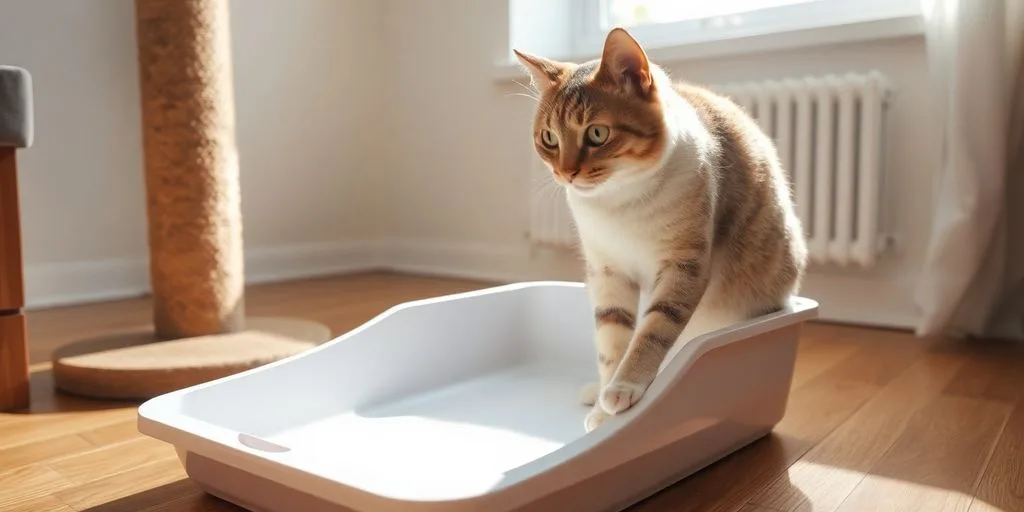
Sometimes, cats decide the litter box is no longer their bathroom of choice. It can be frustrating, but understanding why is the first step to fixing the problem. It's rarely out of spite; usually, there's a good reason behind it. Let's explore some common causes and solutions.
Detecting Underlying Health Issues
First things first, a vet visit is a must. Litter box avoidance can often signal a health problem. Urinary tract infections (UTIs), bladder stones, kidney issues, or even arthritis can make it painful or difficult for your cat to use the box. If your cat is experiencing pain, they might associate the litter box with that discomfort, leading them to avoid it. A vet can run tests to rule out any medical causes. Don't skip this step; it's crucial for your cat's well-being.
Maintaining Cleanliness And Reducing Odors
Cats are clean creatures, and a dirty litter box is a major turn-off. Imagine having to use a restroom that's never cleaned – you wouldn't want to, either! Scoop the box at least once a day, and do a full litter change and box cleaning weekly. Use hot water and a mild, unscented soap. Avoid harsh chemicals, as these can be irritating to your cat. Also, consider the type of litter you're using. Some cats are sensitive to certain litters, especially those with strong scents. If you've recently switched litters, that could be the culprit. Regular cat sand / cat litter maintenance is key.
Reintroducing Box Confidence
Once you've addressed any potential health issues and ensured the litter box is clean and inviting, it's time to help your cat regain confidence in using it. If your cat has been avoiding the box in a particular area of the house, try placing a new litter box there. You can also try using a different type of litter or a different style of box (covered vs. uncovered). Make the box as appealing as possible. You might even try placing your cat in the box gently after they wake up or after meals to encourage them to use it. Positive reinforcement is key here; if you catch your cat using the box, offer praise and a treat. Be patient; it may take time for your cat to fully trust the litter box again.
Remember, consistency is key. Once you find a solution that works, stick with it. Avoid making frequent changes to the litter, box location, or cleaning routine, as this can confuse your cat and lead to further avoidance issues. With a little detective work and patience, you can help your cat get back on track and keep your home clean and happy.
Promoting Healthy Scratching Behavior: Pet Care Tips
It's a fact of life: cats scratch. It's not just about sharpening their claws; it's also a way for them to stretch, mark their territory, and relieve stress. The goal isn't to stop scratching altogether, but to redirect it to appropriate surfaces. Let's explore how to encourage your cat to scratch where you want them to, not on your furniture.
Selecting Varied Scratching Surfaces
Cats are individuals, and what one cat loves, another might ignore. That's why offering a variety of scratching surfaces is key. Think about the texture and orientation. Some cats prefer vertical surfaces like posts, while others like horizontal surfaces like cardboard scratchers. Consider these options:
- Cardboard: Many cats love the feel of cardboard. You can find flat scratchers, angled ones, or even cubes.
- Sisal: Sisal fabric is durable and provides a good texture for scratching. Sisal posts are a popular choice.
- Carpet: Some cats enjoy scratching carpet, but be careful! If you offer a carpeted scratching post, make sure the carpet is different from your floor carpet to avoid confusion.
- Wood: Some cats like scratching wood, especially softer woods like pine. A simple piece of untreated lumber can be a hit.
Positioning Scratching Posts Strategically
Where you place the scratching post is just as important as the type of post it is. Cats often scratch when they wake up or after a meal, so placing posts near their sleeping areas or feeding stations can be effective. Also, think about where your cat is currently scratching. If they're scratching the couch, put a scratching post right next to it. Once they start using the post, you can gradually move it to a more convenient location.
Enhancing Appeal With Toys And Catnip
To make the scratching post even more attractive, try adding some extra enticements. Here are a few ideas:
- Catnip: Sprinkle some catnip on or near the scratching post to attract your cat.
- Toys: Hang toys from the top of the post to encourage your cat to reach and scratch.
- Play: Use a laser pointer or wand toy to encourage your cat to interact with the scratching post during playtime.
Remember, patience is key. It may take some time for your cat to start using the scratching post regularly. Don't get discouraged if they don't take to it right away. Keep experimenting with different surfaces, locations, and enticements until you find what works for your feline friend. And when they do use the post, reward them with praise and treats! You can also find training tips to help redirect your cat’s scratching behavior.
Safeguarding Home Furnishings From Scratching
Cats gotta scratch, it's just a fact of life. But that doesn't mean your furniture has to suffer! With a little planning and some clever tricks, you can keep your cat happy and your sofa intact. It's all about understanding why they scratch and giving them better options.
Applying Safe Deterrent Methods
Okay, so your cat loves that one corner of the couch. Time to make it less appealing! Cats are pretty sensitive to textures and smells, so use that to your advantage.
- Sticky tape: Double-sided tape is a classic. Cats hate the feeling on their paws. Just make sure it's safe for your furniture.
- Aluminum foil: Similar idea, the sound and feel are off-putting to many cats. You can remove it once the cat stops scratching there.
- Citrus scents: Most cats dislike citrus. You can use a citrus-scented spray (make sure it's pet-safe!) on the area. Reapply regularly.
Installing Protective Furniture Covers
Sometimes, the best defense is a good offense... or in this case, a good cover! Think of it as a stylish shield for your furniture. There are tons of options out there, from full slipcovers to smaller protectors just for the corners. Look for durable fabrics that can withstand some wear and tear. Washable covers are a lifesaver, trust me. You can find great furniture covers online or at most pet stores.
Redirecting With Reward-Based Training
This is where the real magic happens. Instead of just stopping the bad behavior, you're teaching your cat what to do. When you see your cat scratching where they shouldn't, gently move them to a scratching post. When they scratch the post, give them praise and a treat! Consistency is key here. It takes time, but it works. Think of it like this:
Positive reinforcement is way more effective than punishment. Cats don't understand being yelled at, but they definitely understand treats and praise. Make the scratching post the best place to scratch, and they'll choose it every time.
Here's a simple breakdown:
Step Action Reward 1 Cat scratches furniture Gently redirect 2 Cat scratches scratching post Praise + Treat 3 Repeat consistentlyReinforcing Positive Habits And Seeking Help
It's easy to get caught up in trying to stop unwanted behaviors, but don't forget to celebrate the good stuff! A little positive reinforcement can go a long way in shaping your cat's behavior. And remember, sometimes you need a little extra help from the pros.
Establishing Consistent Reward Systems
Cats, just like any other animal, respond well to positive reinforcement. When your cat uses the litter box appropriately or scratches the designated post, reward them! This could be with a small treat, verbal praise, or a gentle petting session. Consistency is key; reward the desired behavior every time it occurs, especially in the beginning. This helps your cat quickly associate the action with a positive outcome. Over time, you can start to vary the rewards to keep things interesting. A good way to think about it is:
- Immediate rewards are most effective.
- Use a variety of rewards to prevent boredom.
- Keep reward sessions short and sweet.
Monitoring Behavioral Changes
Keep a close eye on your cat's behavior, especially after making changes to their environment or routine. Are they using the litter box more consistently? Are they scratching the scratching post instead of the sofa? Tracking these changes can help you determine what's working and what's not. If you notice any sudden or significant shifts in behavior, it's always best to consult with a vet to rule out any underlying medical issues. Here's a simple way to track:
Date Behavior Notes 7/10/2025 Used litter box 3x, scratched post 2x Gave treats each time. 7/11/2025 Avoided litter box, scratched sofa New safe deterrent methods applied to sofa. 7/12/2025 Used litter box 4x, scratched post 3x Increased praise and petting.Consulting A Veterinarian Or Behaviorist
Sometimes, despite your best efforts, cat behavior problems can persist. If you've tried various solutions and are still struggling, don't hesitate to seek professional help. A veterinarian can rule out any medical causes for the behavior, such as a urinary tract infection or arthritis. A certified cat behaviorist can provide tailored advice and strategies to address the specific issues you're facing. They can help you understand the underlying causes of the behavior and develop a plan to modify it.
Remember, seeking professional help is not a sign of failure. It's a sign that you're committed to providing the best possible care for your feline friend. They can offer insights and solutions you might not have considered, ultimately leading to a happier and healthier relationship with your cat.
Reward good behavior. Small treats and kind words help your pet feel proud. If you need more help, go to our website at Kulot Pet Supplies for tips you can trust!
## Conclusion
Solving cat litter and claw habits isn't rocket science. A few tweaks—like moving a roomy pan into a quiet spot and adding a sturdy scratch post by their favorite perch—go a long way. Stay patient. Cats pick up good habits when you catch them doing it right and give a small treat. Try clumping sand or a low-sided box for older cats. A cardboard or sisal post usually beats your couch in the claw department. You’ll see less mess and fewer shredded cushions soon. And if you need supplies, swing by Kulot Pet Supplies—they’re open late and even deliver, so it’s a breeze to keep your kitty happy.