

Understanding Pet Nutrition: The Basics
It's easy to get lost in the world of pet food, but understanding the basics of nutrition is super important for keeping your furry friend healthy. Think of it like this: what they eat directly impacts their energy levels, coat condition, and overall well-being. Let's break down some key areas.
Essential Nutrients for Optimal Health
A balanced diet is the foundation of a healthy pet. Just like us, pets need a mix of nutrients to thrive. This includes proteins, fats, carbohydrates, vitamins, and minerals. Proteins are the building blocks for muscles and tissues, while fats provide energy and support hormone production. Carbs are another source of energy, and vitamins and minerals are needed for all sorts of bodily functions. For example, a balanced dog diet requires all of these elements. It's not just about quantity, but also about the quality of these nutrients.
Tailoring Diets to Life Stages
What a puppy needs is different from what a senior dog needs. Puppies and kittens require more protein and calories to support their rapid growth. Adult pets need a balanced diet to maintain their health, while senior pets may need fewer calories and more fiber. It's all about adjusting the diet to meet their specific needs at each stage of life. Think of it like this: you wouldn't feed a baby the same food you feed an adult, right? Same goes for pets!
The Role of Quality Ingredients
The ingredients in pet food matter. A lot. Look for foods that list real meat, poultry, or fish as the primary ingredient. Avoid foods that are loaded with fillers, artificial colors, and preservatives. These ingredients offer little nutritional value and can even be harmful to your pet's health. Reading the ingredient list is like reading the nutrition label on your own food – it gives you a good idea of what you're actually feeding your pet.
Here's a quick comparison of ingredient quality:
Ingredient Good Not So Good Protein Source Real meat, poultry, or fish Meat by-products, unnamed meat sources Carbohydrate Source Whole grains, vegetables Corn, wheat, soy (as primary ingredients) Fat Source Fish oil, flaxseed oil, animal fat Vegetable oil, unnamed fat sourcesBenefits of Wet Pet Food
Enhanced Hydration for Pet Wellness
Wet food is a fantastic way to boost your pet's water intake. This is especially important for cats, who often don't drink enough water on their own. The high moisture content in wet food helps support kidney function and prevents dehydration. Think of it as sneaking in extra hydration with every meal. It's a simple way to keep them healthy and happy. Ensuring your pet drinks enough water for pets is crucial for their overall well-being.
Palatability and Picky Eaters
Does your pet turn their nose up at dry kibble? Wet food often wins in the palatability department. The aroma and texture can be much more appealing, enticing even the fussiest eaters. It can be a game-changer if you're struggling to get your pet to eat. Plus, the softer texture is easier for pets with dental issues to manage. It's all about making mealtime enjoyable for them.
Weight Management and Satiety
If your pet is on a weight management plan, wet food can be a helpful tool. Because of its high water content, wet food generally has fewer calories per serving compared to dry food. This means you can feed your pet a satisfying portion without overdoing the calories. The moisture also helps them feel fuller for longer, reducing the urge to beg for more food between meals. It's a win-win for keeping them trim and content. Consider exploring quality repacks pet food options for budget-friendly choices.
Wet food can be particularly beneficial for pets with certain health conditions, such as urinary issues or diabetes, where increased hydration is key. Always consult with your vet to determine the best diet for your pet's specific needs.
Advantages of Dry Pet Food
Convenience and Storage Solutions
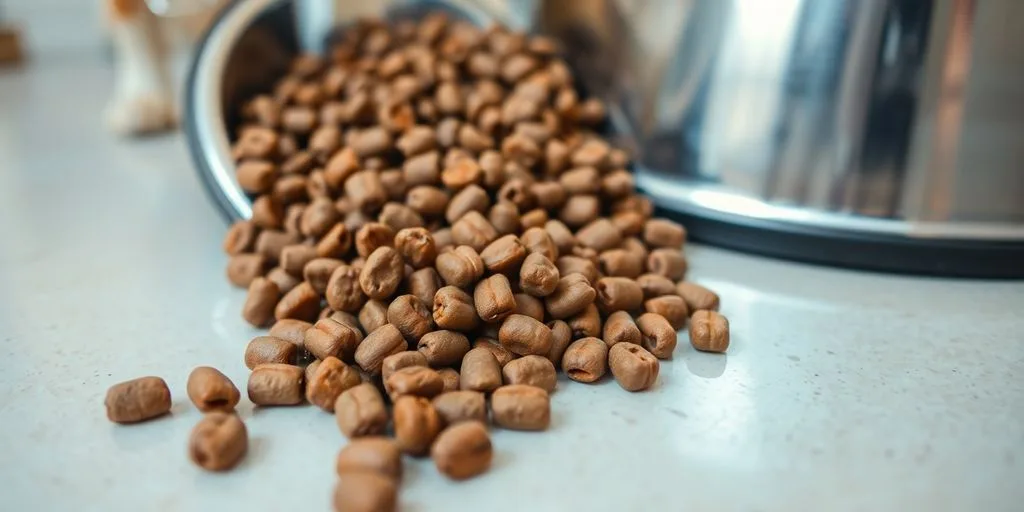
Dry pet food, often called kibble, really shines when it comes to how easy it is to handle. It doesn't need to be refrigerated, making storage a breeze. You can buy a big bag and not worry about it spoiling quickly. Plus, scooping out a portion is way less messy than dealing with wet food. This makes it a great option for busy pet owners who want a simple feeding routine.
Dental Health Benefits
One of the big selling points of dry food is its potential to help keep your pet's teeth clean. The crunchy texture can help scrape away plaque and tartar as your pet chews. Think of it like a very mild toothbrush! However, it's important to note that not all dry foods are created equal in this regard. Look for dry dog food benefits specifically designed to promote dental health for the best results.
Cost-Effectiveness for Pet Owners
Dry food is generally more budget-friendly than wet food. Because it's less expensive to produce and has a longer shelf life, you get more food for your money. This can really add up over time, especially if you have a large pet or multiple pets. Plus, you're less likely to waste any food since it stays fresh longer.
Choosing the right pet food is a big decision, and cost is definitely a factor for many owners. Dry food offers a practical way to provide your pet with a balanced diet without breaking the bank. Just remember to always prioritize quality ingredients and nutritional value, regardless of the price point.
Combining Wet and Dry Food for Balanced Pet Nutrition
It's not always an either/or situation when it comes to wet and dry pet food. Many pet owners find that combining both can offer a range of benefits, creating a more balanced and appealing diet for their furry friends. Let's explore how to make the most of this approach.
Creating a Varied Diet
Mixing wet and dry food can add variety to your pet's meals, which can be especially helpful for picky eaters. The different textures and flavors can keep them interested and excited about mealtime. Plus, it's a way to ensure they're getting the benefits of both types of food. Think of it as offering a more complete nutritional profile. You can easily find a variety of dog dry food options to mix with wet food.
Addressing Specific Dietary Needs
Sometimes, a pet has specific needs that are best met by combining wet and dry food. For example, a pet needing to lose weight might benefit from the higher protein and moisture content of wet food, combined with the portion control offered by dry food. Or, a pet with dental issues might find it easier to eat softened kibble mixed with wet food. It's all about tailoring the diet to what works best for your pet.
Transitioning Between Food Types
If you're switching your pet from one type of food to another, or introducing a new food altogether, doing it gradually is key. A good way to do this is by mixing the old and new foods together, slowly increasing the proportion of the new food over several days. This helps prevent digestive upset and allows your pet to adjust to the change more easily. Start with a small amount of the new food mixed with the old, and gradually increase the amount over a week or so.
Combining wet and dry food can be a great way to provide a balanced diet, but it's important to pay attention to portion sizes. Since wet food has a higher moisture content, you'll need to adjust the amount of dry food accordingly to avoid overfeeding. Always consult with your vet to determine the right balance for your pet's individual needs.
Factors to Consider When Choosing Pet Food
Pet's Age, Breed, and Activity Level
Choosing the right food isn't a one-size-fits-all deal. A playful puppy has very different nutritional needs than a senior cat who spends most of the day napping. Age is a big factor; puppies and kittens need food that supports growth, while older pets might need something easier to digest with fewer calories. Breed also plays a role – larger breeds, especially dogs, can benefit from food formulated to support joint health. And of course, a super active dog who loves to run will need more calories than a couch potato. It's all about finding that sweet spot to keep them happy and healthy. Consider browsing quality pet essentials for your pet's specific needs.
Addressing Health Conditions and Allergies
If your pet has any health issues, like diabetes, kidney problems, or food allergies, you'll need to be extra careful about what you feed them. Specialized diets can make a huge difference in managing these conditions. For example, a pet with kidney disease might need a food with lower phosphorus levels. If you suspect your pet has a food allergy, talk to your vet about doing an elimination diet to figure out what's causing the problem. Common allergens include beef, chicken, and wheat. Once you know what to avoid, you can find food that's free of those ingredients.
Consulting Your Veterinarian for Guidance
Honestly, the best thing you can do is chat with your vet. They know your pet's health history and can give you personalized recommendations. Don't be afraid to ask questions! They can help you understand food labels, figure out the right portion sizes, and choose a food that meets your pet's specific needs. Plus, they can help you monitor your pet's health and adjust their diet as needed. It's always better to be safe than sorry when it comes to your furry friend's health.
It's easy to get overwhelmed by all the pet food options out there. Remember, every pet is unique, and what works for one might not work for another. Take your time, do your research, and don't hesitate to ask for help. Your pet will thank you for it!
Making Informed Decisions for Your Pet's Diet
Choosing the right food for your pet can feel overwhelming. There are so many brands, ingredients, and claims out there. But with a little knowledge, you can make smart choices that support your pet's health and happiness. It's about more than just picking the cheapest option; it's about understanding what your pet actually needs.
Reading Pet Food Labels Effectively
Pet food labels can seem like a foreign language, but they're packed with information. The ingredient list is ordered by weight, so the first few ingredients make up the bulk of the food. Look for named meat sources (like "chicken" or "beef") rather than vague terms like "meat by-products." Pay attention to the guaranteed analysis, which shows the percentages of protein, fat, fiber, and moisture. Understanding these basics will help you compare different foods and choose the best one for your pet. For example, if you are looking for quality pet essentials, make sure to check the labels.
Understanding Nutritional Guarantees
Nutritional guarantees, also known as the 'guaranteed analysis', are a key part of pet food labels. They tell you the minimum or maximum levels of certain nutrients in the food. However, it's important to remember that these are just guarantees, not exact amounts. Also, the guaranteed analysis doesn't tell you anything about the quality of the ingredients. It's a good starting point, but don't rely on it alone. Here's a quick breakdown:
- Crude Protein (Min): The minimum percentage of protein.
- Crude Fat (Min): The minimum percentage of fat.
- Crude Fiber (Max): The maximum percentage of fiber.
- Moisture (Max): The maximum percentage of moisture.
Recognizing Signs of a Healthy Diet
Ultimately, the best way to know if your pet's diet is working is to observe them. A healthy diet will show in several ways. Look for a shiny coat, healthy skin, good energy levels, and well-formed stools. If your pet is constantly scratching, has a dull coat, or experiences digestive issues, it could be a sign that their diet needs adjusting. Don't be afraid to experiment (slowly!) with different foods until you find one that works well for your furry friend. Consider exploring repacked pet food options for a budget-friendly way to test different brands.
It's easy to get caught up in marketing claims and fancy packaging, but the most important thing is to focus on your pet's individual needs and how they respond to their food. A little observation and a willingness to adjust can go a long way in ensuring they get the nutrition they need to thrive.
Kulot Pet Supplies: Your Partner in Pet Nutrition
Kulot Pet Supplies isn't just another store; we're a team of pet lovers dedicated to helping you provide the best for your furry friends. We get it – finding the right food and supplies can be overwhelming. That's why we're here to make things easier, offering a curated selection and expert advice.
Curated Selection of Quality Pet Food
We carefully choose the brands we carry, focusing on nutritious options that meet different needs and budgets. Whether you're looking for premium kibble, specialized diets, or affordable repacks pet food, we've got something for every pet. We stock both wet and dry food options, ensuring a variety to suit even the pickiest eaters. We believe that quality nutrition is the foundation of a happy and healthy pet, and we're committed to providing just that.
Expert Advice for Pet Owners
Choosing the right pet food can feel like a maze. Our team is trained to help you navigate the options and find the perfect fit for your pet's age, breed, activity level, and any specific health concerns. We can help you understand essential pet supplies and how they contribute to your pet's overall well-being. Don't hesitate to ask us questions – we're here to share our knowledge and experience.
Convenient Access to Essential Supplies
We know life gets busy! That's why we offer several ways to shop, making it easy to get what you need, when you need it. You can visit our physical store for a personalized shopping experience, or browse our online selection for convenient delivery. We also offer options like subscription services, so you never run out of your pet's favorite food. We are committed to providing convenient access to quality pet food and supplies.
At Kulot Pet Supplies, we believe that every pet deserves the best. We're more than just a store; we're a community of pet lovers dedicated to supporting you on your pet parenting journey. We strive to make pet ownership easier and more enjoyable by providing quality products, expert advice, and convenient shopping options.
Kulot Pet Supplies is your go-to spot for making sure your furry friends eat well. We have everything your pet needs to be healthy and happy. Check out our full selection of pet food and supplies on our website today!
Making the Best Choice for Your Pet
So, we've talked a lot about wet food and dry food. It's pretty clear there's no single 'best' option for every pet out there. What works for one might not work for another, and that's totally fine. The main thing is to think about your pet's age, how active they are, and any health stuff they might have going on. Maybe your furry friend needs more water, so wet food is a good idea. Or maybe they do better with crunchy kibble for their teeth. Sometimes, mixing it up with both wet and dry food can be a good way to go. If you're still not sure, it's always smart to chat with your vet. They can help you figure out what food type will keep your pet happy and healthy for a long time. And remember, Kulot Pet Supplies is here to help you find whatever you need!