

Understanding Your Pet's Unique Nutritional Needs
It's easy to grab any bag of pet food off the shelf, but understanding your pet's individual needs is super important. What works for one pet might not work for another. Factors like age, breed, activity level, and overall health all play a role in determining the best diet for your furry friend. Let's break down some key areas to consider.
Tailoring Diets for Sensitive Stomachs
Does your pet have a tummy that's easily upset? It's more common than you think! Many pets struggle with food sensitivities or allergies, leading to digestive issues like vomiting, diarrhea, or excessive gas. Identifying the culprit ingredients is the first step. Common allergens include beef, chicken, dairy, and wheat.
- Consider a limited ingredient diet to help pinpoint the problem.
- Look for foods with novel protein sources like fish or duck.
- Probiotics can also aid in digestion and gut health.
Addressing Specific Health Conditions Through Food
Food isn't just fuel; it can also be medicine. Certain health conditions can be managed, and sometimes even improved, through diet. For example, pets with kidney disease often benefit from low-protein, low-phosphorus diets. Diabetic pets may need food that helps regulate blood sugar levels. If your pet has a health issue, talk to your vet about therapeutic diets that can help.
- Kidney disease: Low protein and phosphorus
- Diabetes: Controlled carbohydrates
- Obesity: High protein, low calorie
It's important to work closely with your veterinarian to determine the right diet for your pet's specific condition. They can provide guidance on portion sizes, feeding schedules, and monitor your pet's progress.
The Role of Quality Ingredients in Pet Nutrition
Just like with human food, the quality of ingredients matters. Look for pet foods that list real meat, poultry, or fish as the first ingredient. Avoid foods that are loaded with fillers like corn, wheat, and soy. These ingredients offer little nutritional value and can even contribute to digestive problems. High-quality ingredients provide the nutrients your pet needs to thrive, supporting everything from their energy levels to their coat health. Consider exploring options for premium pet food to ensure your pet gets the best.
- Real meat as the first ingredient
- Avoid excessive fillers
- Look for added vitamins and minerals
Navigating Specialized Pet Food Options
Choosing the right food for your pet can feel overwhelming, especially when dealing with specific health needs. There's a whole world beyond the standard kibble, and understanding your options is key to keeping your furry friend happy and healthy. Let's break down some of the specialized pet food choices available.
Decoding Pet Food Labels for Optimal Health
Pet food labels can seem like a foreign language, but they're packed with important information. Learning to decipher these labels is the first step in making informed decisions. Pay close attention to the ingredient list; ingredients are listed in descending order by weight. Look for named meat sources (like chicken, beef, or salmon) as the primary ingredients, not just "meat by-products." Also, check the guaranteed analysis for protein, fat, fiber, and moisture content. Understanding the AAFCO statement is also important, as it indicates whether the food is complete and balanced for your pet's life stage. If you are looking for quality pet essentials, make sure to read the labels carefully.
Exploring Hypoallergenic and Limited Ingredient Diets
If your pet suffers from allergies or food sensitivities, hypoallergenic or limited ingredient diets (LID) might be the answer. These diets are formulated to minimize the risk of allergic reactions. Hypoallergenic diets often use novel protein sources (like duck, venison, or rabbit) or hydrolyzed proteins, which are broken down into smaller pieces to be less likely to trigger an immune response. LID diets, on the other hand, contain a shorter list of ingredients, making it easier to identify and eliminate potential allergens. Here's a quick comparison:
Feature Hypoallergenic Diets Limited Ingredient Diets Protein Source Novel or Hydrolyzed Single, easily digestible protein source Ingredient List Can be extensive, but carefully selected Short and simple Best For Pets with severe allergies or unknown sensitivities Pets with mild allergies or suspected sensitivitiesVeterinarian-Recommended Therapeutic Diets
For pets with specific health conditions like kidney disease, diabetes, or urinary issues, veterinarian-recommended therapeutic diets can be a game-changer. These diets are specially formulated to manage these conditions and support overall health. They often require a prescription from your vet, as they're designed to address very specific needs. Don't switch to a therapeutic diet without consulting your veterinarian first. They can help you choose the right diet and monitor your pet's progress. Consider getting local delivery for your pet's therapeutic diet.
Therapeutic diets are not just regular pet food; they're a medical tool. They're designed to work in conjunction with other treatments to help manage your pet's condition and improve their quality of life. Always follow your veterinarian's recommendations carefully when feeding a therapeutic diet.
The Importance of Hydration in Pet Nutrition
It's easy to overlook, but water is absolutely vital for your pet's overall health. Just like us, they need water to keep everything functioning properly. But how much is enough, and how do you make sure they're getting it?
Ensuring Adequate Water Intake for Pets
Making sure your pet drinks enough can sometimes feel like a challenge. Some pets are naturally good at staying hydrated, while others need a little encouragement. A good rule of thumb is that pets need approximately 1 ounce of water per pound of body weight each day, but this can vary based on activity level, diet, and weather.
Here are a few tips to help:
- Always provide fresh, clean water. Change the water in their bowl at least once a day, or even more often if it gets dirty.
- Consider using multiple water bowls around the house. This makes it easier for your pet to find water whenever they're thirsty.
- Experiment with different types of bowls. Some pets prefer ceramic, while others like stainless steel or even glass. Find what works best for your furry friend.
Hydration Strategies for Active and Senior Pets
Active pets and senior pets often have different hydration needs. Active pets lose more fluids through panting and exercise, so they need extra water to replenish those losses. Senior pets, on the other hand, may have decreased kidney function or other health issues that make them more prone to dehydration. For active pets, always bring water along on walks or outings. Offer water frequently during and after exercise. For senior pets, consider raising their water bowl to make it easier for them to drink, especially if they have arthritis or other mobility issues. You can also try adding a little bit of low-sodium broth to their water to make it more appealing. Remember that water is vital for pets' digestive health.
Recognizing Signs of Dehydration in Your Companion
Knowing the signs of dehydration is crucial for keeping your pet healthy. Dehydration can happen quickly, especially in hot weather or during periods of illness. Here are some things to watch out for:
- Lethargy or decreased energy levels.
- Dry or sticky gums.
- Sunken eyes.
- Loss of skin elasticity (when you gently pinch and lift the skin on their back, it should snap back into place quickly. If it stays tented, that's a sign of dehydration).
If you notice any of these signs, it's important to contact your veterinarian right away. Dehydration can be serious, and prompt treatment can make a big difference.
If your pet is showing signs of severe dehydration, such as vomiting, diarrhea, or collapse, seek immediate veterinary care. Don't wait to see if they get better on their own. Early intervention is key to a positive outcome.
Smart Shopping for Pet Nutrition
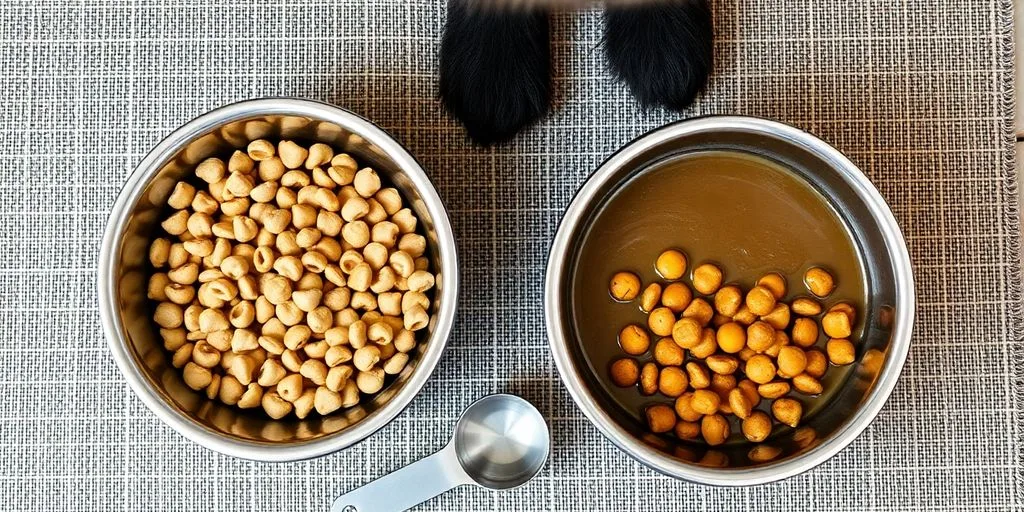
Let's be real, taking care of our pets can get expensive. Food is a recurring cost, and if you're trying to give your furry friend the best, those bills can add up fast. But don't worry, there are ways to be smart about pet nutrition without sacrificing quality. It's all about knowing where to look and what to look for.
Budget-Friendly Pet Care: Quality Repacked Options
Okay, so you want to save some cash without feeding your pet junk? Repacked pet food might be the answer. Basically, it's the same high-quality food you'd find in a fancy bag, but sold in smaller, more affordable quantities. This is great if you have a smaller pet or just want to try out a new brand without committing to a huge bag. Just make sure you're buying from a reputable source that stores the food properly to maintain freshness and prevent contamination. It's a smart way to manage your budget and keep your pet happy and healthy. You can find reputable dog food brands that offer this option.
Convenient Access to Premium Pet Food
Life gets busy, and sometimes running to the pet store is the last thing you want to do. That's where convenience comes in. Look for pet supply stores that offer online ordering and delivery services. Some even have subscription options, so you never run out of food. Plus, many local stores are starting to offer curbside pickup, which is a total game-changer. It's all about finding a way to get the premium pet food your pet needs without disrupting your entire day.
Local Sourcing for Freshness and Support
Think about buying your pet food from local suppliers. Not only are you supporting your community, but you're also more likely to get fresher food. Local stores often have closer relationships with their suppliers, meaning they can get food to you faster and with less time spent sitting on a shelf. Plus, they can often offer more personalized advice and recommendations based on your pet's specific needs. It's a win-win for everyone involved.
Buying local can also mean you have a better understanding of where the ingredients are coming from and how the food is made. This transparency can be really reassuring, especially if your pet has sensitivities or allergies. It's all about making informed choices and supporting businesses that care about quality and community.
Beyond the Bowl: Holistic Pet Wellness
It's easy to focus solely on what's in your pet's bowl, but true wellness goes way beyond that. Think of it as a whole-body approach, where everything from their diet to their mental state plays a part. A happy, healthy pet is one whose needs are met on multiple levels.
Integrating Supplements for Enhanced Health
Sometimes, even the best pet food might not cover all the bases. That's where supplements come in. Think of them as little boosts to fill in any nutritional gaps. For example, older pets might benefit from glucosamine for joint support, while others could use a boost of omega-3s for skin and coat health. It's always a good idea to chat with your vet before adding anything new to your pet's routine, but supplements can be a great way to provide extra support. Consider essential pet supplies to keep your furry friend healthy.
The Connection Between Diet and Coat Health
Ever notice how a pet's coat can look dull or dry? Often, that's a sign that something's off internally. A balanced diet is key for a shiny, healthy coat. Make sure your pet is getting enough protein and healthy fats. Certain supplements, like fish oil, can also work wonders. If you're seeing persistent coat issues, it might be worth exploring hypoallergenic options or consulting with a vet to rule out any underlying allergies or sensitivities. Remember, a good diet reflects on the outside! You can find quality dog food at local pet stores.
Promoting Digestive Health Through Probiotics
Just like humans, pets have a whole ecosystem of bacteria living in their gut. Keeping that ecosystem balanced is super important for digestion and overall health. Probiotics can help with that. They're basically good bacteria that can help crowd out the bad stuff and keep things running smoothly. They can be especially helpful for pets with sensitive stomachs or those who are prone to digestive upset. You can find probiotics in some pet foods or as a separate supplement. Here are some ways to promote digestive health:
- Add fiber to their diet.
- Consider a probiotic supplement.
- Ensure they are drinking enough water.
It's important to remember that every pet is different. What works for one might not work for another. Pay attention to your pet's individual needs and adjust their diet and care accordingly. If you're ever unsure, don't hesitate to reach out to your vet for guidance. They can help you create a holistic wellness plan that's tailored to your pet's specific needs.
Kulot Pet Supplies: Your Partner in Pet Nutrition
Kulot Pet Supplies isn't just another pet store; we're a team of dedicated pet lovers committed to providing the best for your furry friends. We get it – finding the right food and supplies can be tough, especially with specific dietary needs. That's why we're here to make things easier, offering a range of options and personalized advice to keep your pets happy and healthy. We believe that every pet deserves the best nutrition, and we're here to help you provide it.
Our Passion for Pet Well-being
Our story began with a simple desire: to provide quality pet supplies to our community. As pet owners ourselves, we understand the importance of proper nutrition and care. We started Kulot Pet Supplies because we wanted to make a difference in the lives of pets and their owners. It's more than just a business for us; it's a way to share our love for animals and help others provide the best possible care. We are advocates for pet well-being, and we want to help you find the perfect pet food for your furry friend.
Hassle-Free Shopping and Delivery Services
We know you're busy, so we've made shopping with us as easy as possible. Our physical store is conveniently located, and we offer extended hours to fit your schedule. Plus, with our delivery services, you can get the pet supplies you need without even leaving home. We're committed to providing a hassle-free experience, so you can spend more time with your beloved pets.
Community Focus: Serving Lancaster New City and Beyond
We're proud to be a part of the Lancaster New City community and beyond. We believe in supporting local pet owners and providing them with the resources they need to care for their animals. We regularly participate in community events and partner with local organizations to promote pet welfare. We're more than just a store; we're a community hub for pet lovers. We strive to be your trusted source for all things pet-related, building lasting relationships with our customers and their furry companions.
We're committed to providing quality products and services to our community. We believe that every pet deserves the best, and we're here to help you provide it. We're always looking for ways to improve and better serve our customers, so please don't hesitate to reach out with any questions or suggestions.
Kulot Pet Supplies is your go-to spot for making sure your furry friends eat well. We have everything from fancy brands to cheaper options, so you can find just what your pet needs to be happy and healthy. Check out our website today to see all the great food choices!
Wrapping Things Up
So, there you have it. Figuring out what to feed a pet with a sensitive stomach or a specific health issue can feel like a big puzzle. But it doesn't have to be super hard. The main thing is to pay attention to your pet, work with your vet, and be patient. Sometimes it takes a bit of trial and error to find what works best. Just remember, a happy tummy usually means a happy pet. And that's what we all want, right?