
Understanding Your Pet's Nutritional Needs
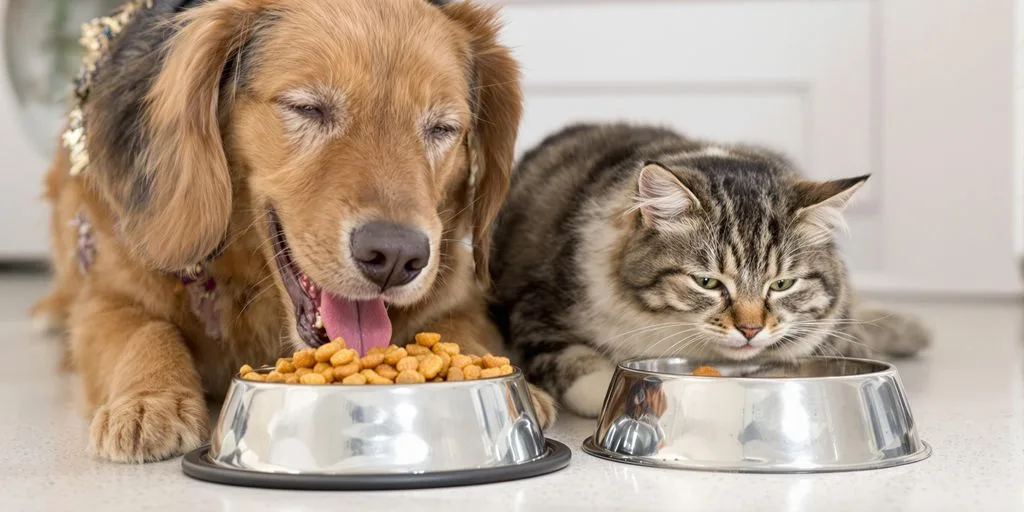
Understanding what your pet needs to thrive is the first step in keeping them healthy and happy. It's not just about filling a bowl; it's about providing the right fuel for their body and mind. Every pet is an individual, and their nutritional requirements can change based on a lot of factors. Think about it like people – a baby needs different food than a teenager or a senior citizen. The same applies to our animal companions.
The Cornerstone of Pet Health
Good nutrition is the foundation for everything. It impacts their energy levels, the health of their skin and coat, their immune system, and even their mood. Feeding a balanced diet means giving them the right mix of proteins, fats, carbohydrates, vitamins, and minerals. Without these, their bodies can't function at their best, which can lead to all sorts of problems down the line. It’s really about preventative care through diet.
Tailoring Diet to Life Stages
Puppies and kittens need more calories and specific nutrients for growth, while adult pets need maintenance formulas. Senior pets often benefit from diets that are easier to digest and may contain supplements for joint health. Even within these broad categories, factors like breed, activity level, and whether they've been spayed or neutered play a role. For example, a highly active working dog will have different needs than a couch-potato poodle.
Recognizing Sensitive Stomachs
Some pets just seem to have more delicate digestive systems. You might notice this if they frequently have loose stools, vomiting, or seem uncomfortable after eating. This sensitivity can be due to a variety of things, including allergies to certain ingredients, intolerabilities, or even stress. Identifying these signs is key to finding a food that agrees with them. If your pet has diarrhea, it's important to select a dog food with moderate to high protein from a digestible source.
Paying attention to your pet's specific needs and any signs of digestive upset is the most important thing you can do as a pet owner. It shows you care and helps you make informed choices about their diet.
The Gradual Transition Process
Switching your pet’s food might seem like a big deal, especially if they have a sensitive stomach. But honestly, it doesn't have to be a stressful event. The key is to take it slow. Think of it like introducing a new friend to your pet – you wouldn't just shove them together, right? You ease them in, and the same goes for their food.
Why Slow and Steady Wins
When you change your pet's food too quickly, their digestive system can get pretty upset. This can lead to vomiting, diarrhea, or just general discomfort. A gradual switch gives their gut time to adjust to the new ingredients and nutrients. It’s all about letting their system adapt without a shock.
Introducing New Foods
So, how do you actually do it? It’s a simple mixing process. Start by giving your pet a mix that’s mostly their old food with just a little bit of the new food. Then, over about a week to ten days, you slowly increase the amount of new food while decreasing the old. Here’s a general guideline:
- Days 1-3: 75% old food, 25% new food
- Days 4-6: 50% old food, 50% new food
- Days 7-9: 25% old food, 75% new food
- Day 10 onwards: 100% new food
This step-by-step approach helps prevent any tummy troubles. Remember to watch your pet closely during this time.
Monitoring for Reactions
Even with a slow transition, it’s important to keep an eye out for any signs that the new food isn't agreeing with your pet. Look for changes in their stool – is it too loose, too hard, or just different than usual? Are they vomiting, having gas, or showing less interest in eating? If you notice any of these things, it might be a sign to slow down the transition even more or consider if this particular food is the right fit. You might need to go back a step or consult with a vet about the best dog food transition plan for your specific pet.
Choosing the Right Food
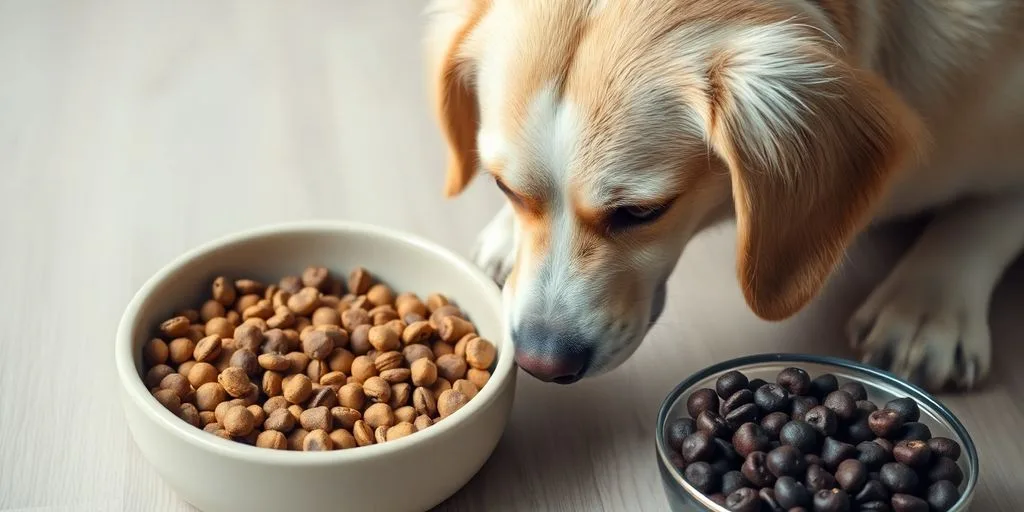
Picking the right food for your pet, especially when they have a sensitive stomach, can feel like a big task. It’s not just about grabbing any bag off the shelf; it’s about understanding what goes into your pet’s bowl and how it affects them. The goal is to find a diet that supports their digestive health while still providing all the nutrients they need to thrive.
Decoding Ingredient Lists
When you look at a pet food label, it can be a bit overwhelming with all the scientific-sounding names. But knowing what to look for makes a huge difference. Generally, you want to see a named meat source as the first ingredient, like chicken, lamb, or fish. Avoid foods with a lot of fillers, artificial colors, or preservatives, as these can sometimes upset a sensitive tummy. Keep an eye out for ingredients that are known to be easily digestible, such as rice or sweet potatoes, which can be good carbohydrate sources.
Exploring Limited Ingredient Diets
For pets with particularly sensitive systems, a limited ingredient diet, or LID, can be a game-changer. These foods are designed with fewer ingredients, making it easier to pinpoint and avoid potential allergens or irritants. They often feature a single protein source and a single carbohydrate source. This simplicity helps reduce the chances of an adverse reaction. If your vet suspects a food sensitivity, they might recommend trying a novel protein source, like duck or venison, which your pet may not have been exposed to before. You can find specialized options like Royal Canin Gastrointestinal for dogs that are formulated to support digestive health.
Consulting Pet Nutrition Experts
Sometimes, even with the best intentions, figuring out the perfect diet can be tricky. That’s where pet nutrition experts, like veterinary nutritionists or even your own veterinarian, come in. They can help you analyze your pet’s specific needs, consider their health history, and recommend foods that are best suited for them. Don’t hesitate to ask for their advice; they are a fantastic resource for making informed decisions about your pet’s diet and ensuring a smooth transition to a new food.
Signs of a Successful Switch
So, you've made the switch to a new food for your furry friend, and now you're wondering if it was the right move. It's totally normal to look for signs that things are going well. The best indicator is usually how your pet is feeling overall. Are they more active and playful? Do they seem happier and more engaged? These are great signs. You might also notice their coat looking a bit glossier, which can mean they're absorbing nutrients better. And of course, the most obvious sign is a happy tummy. If your pet isn't having any digestive upset, like vomiting or diarrhea, that's a big win. It really shows that the new food is agreeing with them.
Here are some key things to watch for:
- Improved Digestion: Look for regular, well-formed stools. No more mushy messes or hard, dry pellets. This is a big one for sensitive pets.
- Increased Energy: Is your pet more eager to play fetch or go for walks? A good diet fuels their adventures.
- Healthy Skin and Coat: A shiny coat and healthy skin are often visible signs of good nutrition. Less scratching or flakiness is a good sign.
It's important to remember that every pet is different. What works wonders for one might not be a perfect fit for another. Patience and observation are your best tools when transitioning to a new diet. Keep an eye on these positive changes, and you'll know you're on the right track.
Sometimes, you might even notice your pet has better breath, which can be a subtle but welcome change. It’s all about observing these little improvements that add up to a healthier, happier pet. If you're looking for quality food options, consider exploring repacked pet food for a budget-friendly way to provide good nutrition.
Common Pitfalls to Avoid
Making a switch in your pet's diet might seem straightforward, but there are a few common mistakes people make that can cause unnecessary upset for your furry friend. It's really about being mindful and patient.
Abrupt Food Changes
This is probably the biggest one. Just swapping out the old food for the new one overnight is a recipe for digestive disaster. Think about it – your pet's system needs time to adjust to new ingredients and nutrient profiles. Jumping in too fast can lead to vomiting, diarrhea, or a general upset stomach. It's best to introduce the new food gradually, mixing it with the old food over a week or more. This slow approach helps their digestive system adapt without a hitch. Remember, a sudden change can cause digestive issues like vomiting, abdominal pain, belching, or loss of appetite. A gradual transition is recommended to avoid these problems and ensure your pet adjusts smoothly to their new diet. Switching your pet's food too quickly can cause digestive issues like vomiting, abdominal pain, belching, or loss of appetite. A gradual transition is recommended to avoid these problems and ensure your pet adjusts smoothly to their new diet.
Ignoring Pet Cues
Your pet will tell you if something isn't right. Are they refusing to eat the new food? Are they showing signs of discomfort like lethargy or changes in their stool? These are important signals. Don't just push through it. Pay attention to their behavior and adjust the transition pace if needed. Sometimes, a pet might just not like the taste or texture, and that's okay too. It's about observing them closely.
Over-Reliance on Treats
While treats are great for training and bonding, they can really mess with a diet transition. If you're giving a lot of treats, especially during the switch, you're adding extra calories and potentially ingredients that could upset their stomach. Plus, if the treats are very different from their main food, it can confuse their system. Try to stick to treats that are similar in nature to the new food, or better yet, use a small amount of the new kibble as a high-value reward. It keeps things consistent and helps them associate the new food with positive experiences.
Supporting Your Pet's Digestion
Making sure your pet's tummy is happy is a big part of keeping them healthy, especially when you're switching their food. It's not just about the main meal; a few other things can really help things along.
The Role of Probiotics
Think of probiotics as tiny helpers for your pet's gut. They're good bacteria that can balance out the tummy environment, which is super useful when introducing new foods. This can help prevent upset stomachs and keep things moving smoothly. You can find probiotics in some pet foods or as a separate supplement. It's a good idea to talk to your vet about whether a probiotic might be a good fit for your pet during this transition.
Ensuring Adequate Hydration
Water is seriously important for digestion. It helps break down food and move it through the system. Make sure your pet always has fresh, clean water available. Sometimes, pets don't drink enough, especially if they're not feeling great. You can encourage them to drink more by using a pet water fountain or adding a little bit of low-sodium chicken or beef broth (make sure it's safe for pets!) to their water. Staying hydrated is key for overall pet health and a happy digestive system.
Maintaining a Consistent Feeding Schedule
Pets thrive on routine, and their digestion is no different. Try to feed your pet at the same times each day. This helps their body get into a rhythm, making digestion more predictable. When you're transitioning foods, sticking to a regular schedule can minimize stress on their system. If you're feeding multiple meals, keep those times consistent too. It's a simple step that makes a big difference in keeping their digestive tract happy and regulated.
Keeping your pet's tummy happy is super important! A healthy gut means a happy pet. We've got lots of great food options that can help your furry friend feel their best. Want to learn more about what foods are best for your pet's digestion? Visit our website today to explore our selection and find the perfect meal!
A Happy Tummy, A Happy Pet
Switching your pet's food doesn't have to be a headache. By taking it slow and watching your pet closely, you can help them adjust to a new diet without any tummy troubles. Remember, patience is key. If you're ever unsure or your pet seems to be having a hard time, don't hesitate to chat with your vet. They can offer personalized advice to keep your furry friend feeling their best. Here's to a healthy and happy pet!